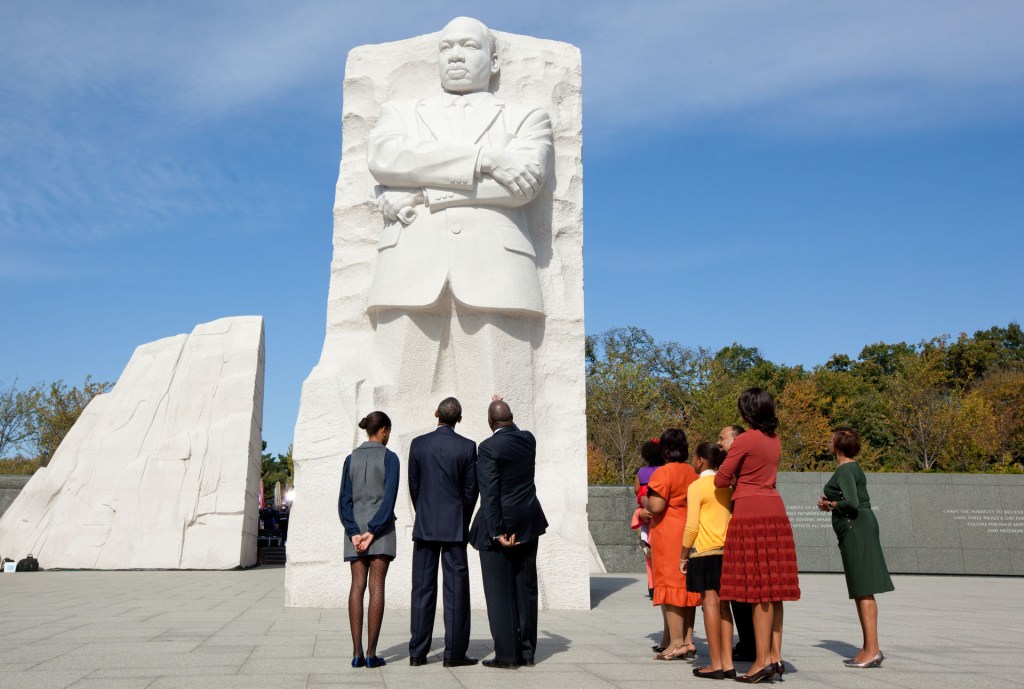
Martin Luther King Jr. Day is not just a celebration of a man. It is a recommitment to a vision of citizenship and democracy that remains unfinished.
Dr. Martin Luther King understood that civil rights were not abstract ideals. They were lived realities shaped by whether people could speak freely, worship without fear, gather peacefully, vote, and be treated with dignity under the law. His life reminds us that democracy only works when people are informed, protected, and empowered to participate. This is especially true for those who have historically been excluded or silenced.
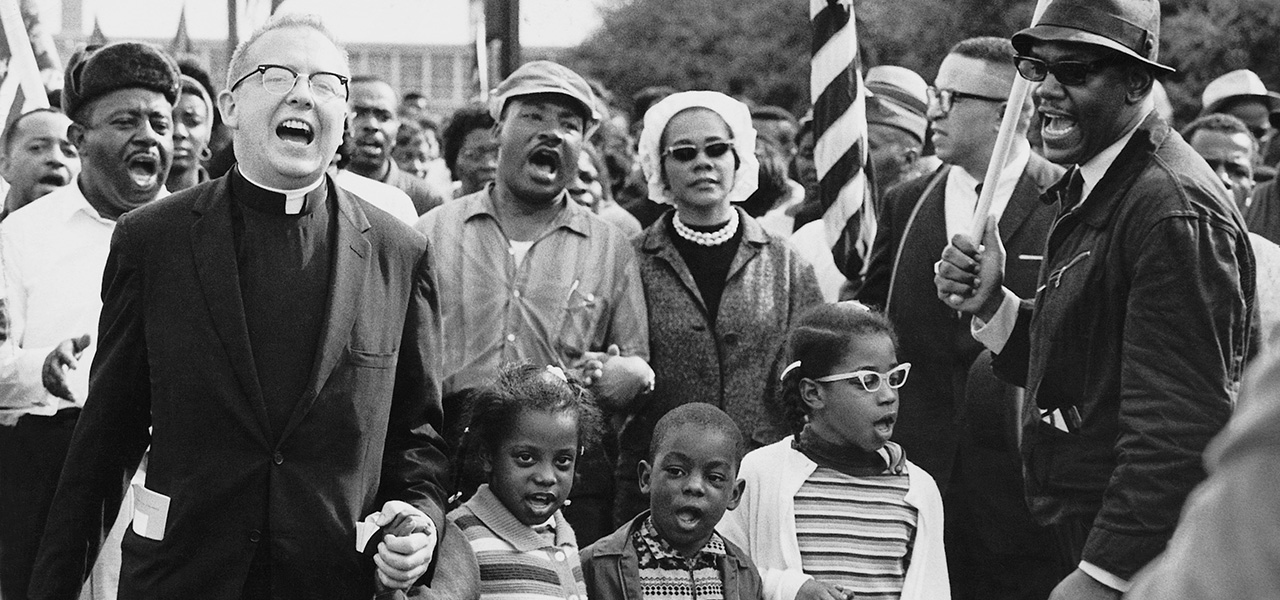
Dr. King also modeled the essential role of free speech, protest, and peaceful assembly in a healthy democracy. He taught that citizenship is not passive. It requires courage, the willingness to speak, march, organize, and stand publicly for what is right. Peaceful dissent is not a threat to democracy; it is one of its strongest safeguards, ensuring that injustice is confronted rather than ignored.
At the heart of Dr. King’s work was a deep commitment to religious freedom. As a faith leader, he believed that conscience must be protected and that no government should dictate belief or suppress moral conviction. Religious freedom, at its best, safeguards the ability of people from many faiths or of no faith to live openly, contribute fully, and advocate for justice without fear.
Central to Dr. King’s legacy was the fight for voting rights, because he understood that without the ballot, other freedoms become fragile. Voting is one of the clearest expressions of citizenship: a way to shape policy, protect communities, and hold leaders accountable. When barriers prevent people from participating, whether through discrimination, fear, or lack of access, democracy itself is diminished.

Dr. King also believed that true citizenship includes standing up for those who cannot easily stand up for themselves. He spoke not only for his own community, but for workers, immigrants, the poor, and those pushed to the margins. He reminded us that silence in the face of injustice is not neutrality, but it is complicity. Citizenship calls us to use our voices, our rights, and our influence on behalf of those whose voices are ignored or denied.
His vision of America was unapologetically multiracial and inclusive. He rejected the idea that democracy belongs to one race, one religion, or one culture. Instead, he imagined a nation strengthened by difference, where belonging is not inherited but shared, and where participation is a right, not a privilege.
At ICAN (Immigration Civic Advocacy Network), we see our work as part of this living legacy. Civic education is not just about learning facts or passing a test. It is about dignity, responsibility, and belonging. It is about ensuring that immigrants and new Americans understand their rights and their power; and that they are equipped to advocate for themselves and for others.
On Martin Luther King Jr. Day, we do more than remember history. We recommit ourselves to active citizenship, moral courage, and a democracy that only thrives when everyone has a voice…and when those with a voice choose to use it.
 icancitizenship.com